

Introduction
International shipping allows individuals and businesses to send packages, documents, and products across borders. Whether you are sending personal belongings to family abroad or delivering products to international customers, understanding shipping costs can help you plan your budget and avoid unexpected expenses.
However, international shipping prices are not the same for every package. The cost depends on several factors, including the package’s weight and dimensions, the destination country, the delivery speed, customs requirements, and the shipping service you choose.
In this guide, ZenaShipping explains the main factors that affect international shipping costs and shares practical tips to help you manage your shipping expenses.
1. The Weight of Your Package
One of the most important factors affecting shipping costs is the weight of your package.
In general, heavier packages cost more to transport because they require more handling and transportation capacity. For example, sending a small parcel containing lightweight clothing may cost less than sending a heavy box filled with books or household items along the same route.
Shipping companies typically consider the package’s actual weight when calculating the price. However, actual weight is not always the only measurement used.
How to manage this cost:
- Weigh your package after packing it.
- Remove unnecessary items before shipping.
- Choose packaging that protects your goods without adding excessive weight.
- Provide accurate weight information when requesting a quote.
Accurate measurements help you understand the expected cost before booking your shipment.
2. Package Dimensions and Volumetric Weight
The size of your package can affect shipping costs, even when the package is relatively light.
Shipping companies have limited space in aircraft, vehicles, and other forms of transport. A large package can occupy valuable space even if it weighs very little.
For this reason, some shipping services use volumetric weight, also known as dimensional weight, to calculate shipping charges.
Volumetric weight estimates how much space a package occupies. It is calculated using the package’s length, width, and height, together with a divisor specified by the shipping provider.
A common formula is:
Volumetric weight = Length × Width × Height ÷ Volumetric divisor
The measurements and divisor depend on the carrier and service. The dimensions may need to be expressed in centimetres, with a corresponding divisor, to obtain a result in kilograms.
For many services, the chargeable weight is the greater of the actual weight and volumetric weight, although pricing rules vary.
How to manage this cost:
- Use packaging that fits your items properly.
- Avoid boxes that are unnecessarily large.
- Measure the package’s external dimensions accurately.
- Ask the shipping company how volumetric weight is calculated.
Choosing appropriately sized packaging can help you avoid paying more than necessary for unused space.
3. The Destination Country
Where your package is going can significantly affect the shipping price.
Some destinations have frequent transportation routes and established delivery networks, while others may require additional transportation arrangements or longer journeys.
The final destination can also influence handling requirements, delivery coverage, and the availability of shipping services.
For example, sending a package to a major city may involve different costs from sending a similar package to a remote area, even within the same country.
International routes may also involve transit through other countries before the shipment reaches its destination.
How to manage this cost:
- Confirm the exact destination before requesting a quote.
- Provide the correct postal code or delivery address where applicable.
- Ask whether the quoted price includes final delivery to the recipient.
- Compare available services for your destination.
Accurate destination details help shipping providers calculate a more appropriate price.
4. The Speed of Delivery
How quickly you need your package to arrive can influence the shipping cost.
Many shipping providers offer different services, such as standard and express delivery. Express services may use faster transportation arrangements or prioritised handling, which can make them more expensive.
Standard services may be suitable when the shipment is not urgent and the available delivery timeframe meets your needs.
For example, a business sending products to customers with flexible delivery expectations may choose a standard service, while a sender transporting urgent documents may prefer an express option.
How to manage this cost:
- Decide how urgently the package needs to arrive.
- Compare the prices and estimated delivery times of available services.
- Avoid paying for express delivery when a standard service is sufficient.
- Allow extra time for possible customs processing and transportation delays.
Choose a delivery speed that balances your budget with the recipient’s needs.
5. The Type of Shipping Service
Different shipping services have different pricing structures, coverage areas, and handling arrangements.
Depending on the route and provider, international shipments may be transported by air, sea, or a combination of transportation methods.
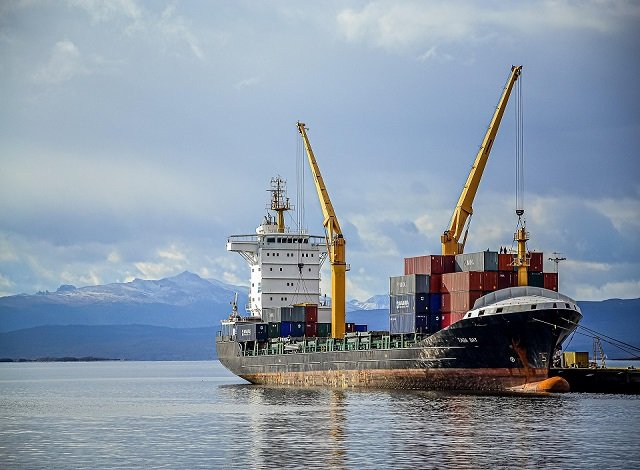
Air freight is often suitable for urgent shipments and many smaller parcels. Sea freight may be appropriate for larger or heavier commercial consignments when the longer transit time is acceptable.
The best option depends on the size of the shipment, the destination, the delivery deadline, and the total cost.
Keep in mind that freight prices may not include every expense involved in getting goods to the final destination. Collection, handling, customs clearance, and final delivery may be charged separately, depending on the service.
How to manage this cost:
- Compare services that suit your shipment size and delivery needs.
- Ask for a breakdown of the quoted charges.
- Check whether collection, handling, and final delivery are included.
- Consider the full cost and delivery timeframe, not just the advertised transportation price.
The cheapest transportation option is not always the most suitable if additional charges or long delays make it less practical.
6. Customs Duties, Taxes, and Clearance Fees
International shipments may be subject to customs duties, import taxes, and other charges imposed under the destination country’s regulations.
These charges are different from the basic transportation cost and may not be included in the initial shipping quote.
The amount depends on factors such as the type of goods, their declared value, country of origin, customs classification, and the rules of the destination country.
Some shipments may qualify for exemptions or reduced rates, while others may require permits or additional documentation.
Customs brokers or shipping providers may also charge fees for certain clearance services.
How to manage this cost:
- Research the destination country’s import requirements.
- Declare the contents and value of your shipment accurately.
- Ask whether customs clearance services are included in the shipping quote.
- Confirm who is responsible for paying applicable duties and taxes.
- Keep the recipient informed about possible charges.
Never assume that a gift or personal package is automatically exempt from customs charges. The applicable rules depend on the shipment and destination.
7. The Type and Value of the Items
The items you are shipping can affect the total cost because some goods require special handling, packaging, documentation, or transportation arrangements.
For example, fragile products may need additional protective packaging. Certain electronics, batteries, temperature-sensitive products, or regulated goods may be subject to special shipping conditions or restrictions.
High-value items may also lead senders to consider insurance or other shipment protection options, where available.
These requirements can increase the overall cost.
How to manage this cost:
- Check whether the items are accepted by the shipping provider.
- Ask about special handling or packaging requirements.
- Provide an accurate description and value of the goods.
- Check whether insurance or shipment protection is available and suitable.
- Compare the total cost of shipping the items under the available services.
Understanding the requirements before booking helps you budget for the shipment more accurately.
8. Packaging Materials
Packaging protects your items during transportation, but the materials you use can also affect the final shipping cost.
Large boxes, heavy protective materials, and unnecessary wrapping can increase the package’s weight or dimensions. If the package becomes significantly larger, volumetric weight may also increase.
However, reducing packaging too much can expose your goods to damage.
How to manage this cost:
- Choose packaging appropriate for the item’s size and fragility.
- Use suitable cushioning without filling the box unnecessarily.
- Avoid oversized boxes where a smaller one would provide adequate protection.
- Use strong, lightweight packaging when appropriate.
- Follow the shipping provider’s packaging requirements.
The goal is to protect the contents while keeping the package as compact and efficient as reasonably possible.
9. Insurance and Additional Services
Some shipping providers offer optional services that can increase the total shipping cost.
These may include shipment insurance, enhanced handling, collection from a specified location, special delivery arrangements, or other services depending on the provider.
Insurance may be worth considering when sending eligible high-value goods, but the coverage, exclusions, limits, and claims process can vary.
Before purchasing additional services, understand exactly what they cover and whether they are necessary for your shipment.
How to manage this cost:
- Ask which additional services are available.
- Confirm the cost of each service before booking.
- Review insurance terms, exclusions, and claim requirements.
- Choose only the services that suit your needs.
Comparing the available options helps you make informed decisions about which additional expenses are worthwhile.
10. The Time of Year and Shipping Demand
Shipping prices and service availability can sometimes change according to demand.
During busy periods, such as major holidays, seasonal sales, or periods of increased commercial activity, transportation capacity may become more limited. Some providers may adjust their rates or delivery estimates in response.
High demand can also lead to longer processing times, making early planning particularly important for time-sensitive shipments.
These effects vary by provider, route, and season, so higher prices are not guaranteed during every busy period.
How to manage this cost:
- Plan shipments early when possible.
- Request quotes in advance for large or important shipments.
- Compare available delivery options during busy periods.
- Allow extra time for transportation and customs processing.
- Check whether the quoted rate is valid for your intended shipping date.
Planning ahead can give you more flexibility when choosing a suitable service.
11. The Accuracy of Your Shipping Information
Incorrect information can lead to unexpected costs or delays.
For example, inaccurate package measurements may result in a price adjustment after the carrier measures the shipment. An incomplete address may require additional delivery arrangements, while missing customs documents can delay processing.
Some problems may also lead to storage, return, or other fees, depending on the circumstances and provider’s terms.
How to manage this cost:
- Verify the package’s weight and dimensions.
- Provide the correct sender and recipient details.
- Describe the items accurately.
- Complete all required shipping and customs forms.
- Review the quote and shipping conditions before confirming your booking.
Providing accurate information from the beginning helps reduce the risk of avoidable expenses.
12. Delivery Location and Final-Mile Charges
The cost of transporting a package internationally may not always include delivery to the recipient’s door.
Depending on the shipping arrangement, the package may need additional transportation from an airport, port, warehouse, or local distribution centre to its final destination.
This final stage is often called last-mile delivery.
Deliveries to remote locations or areas with limited service coverage may involve additional charges or different arrangements.
How to manage this cost:
- Confirm whether door-to-door delivery is included.
- Check whether the recipient must collect the package from a designated location.
- Ask about possible charges for remote-area delivery.
- Provide complete delivery information before booking.
Understanding the entire delivery route helps you avoid comparing quotes that cover different services.
How to Get a More Accurate International Shipping Quote
Before sending your package, prepare the information your shipping provider needs to calculate the price.
Use this checklist:
- Origin: Where the package will be sent from.
- Destination: The recipient’s country and delivery location.
- Weight: The actual weight of the packed shipment.
- Dimensions: The external length, width, and height.
- Contents: A clear description of the items.
- Delivery speed: Whether you prefer standard or express service.
- Additional requirements: Any special packaging, handling, or documentation needs.
Once you have these details, request a quote and ask which charges are included.
For international shipments, also confirm whether duties, taxes, customs clearance, and final delivery are included or charged separately.
A clear quote makes it easier to compare services and estimate your total shipping expenses.
Practical Ways to Reduce International Shipping Costs
Although you cannot control every factor affecting shipping prices, there are several steps you can take to manage your expenses.
Choose the Right Package Size
Use packaging that protects the contents without taking up unnecessary space. This can help reduce both package weight and volumetric weight.
Compare Different Shipping Services
Request quotes for suitable alternatives. Compare delivery estimates, included services, restrictions, and possible additional charges rather than looking at the base price alone.
Plan Ahead
When a shipment is not urgent, you may have more flexibility to select a less expensive service. Booking early can also help you avoid last-minute decisions.
Pack Multiple Items Efficiently
For eligible shipments, combining items into one package may be more economical than sending several separate packages. However, compare the resulting weight, dimensions, and applicable shipping rules first.
Provide Accurate Information
Correct measurements, complete addresses, and accurate customs declarations help prevent avoidable price adjustments and complications.
Understand Additional Charges
Ask about possible customs duties, taxes, handling fees, and final-delivery costs before booking. This helps you estimate the total expense instead of focusing only on the initial quote.
Review Your Shipping Needs Regularly
If you operate an online business, review your shipping expenses periodically. As your order volume changes, different packaging methods or shipping arrangements may become more suitable.
Final Thoughts
International shipping costs depend on more than the distance a package travels. Weight, dimensions, destination, delivery speed, transportation method, customs requirements, packaging, and additional services can all influence the final price.
By understanding these factors, preparing accurate shipment information, and comparing suitable services, you can make better shipping decisions and reduce avoidable expenses.
Whether you are sending a personal package or fulfilling orders for an online business, careful planning can help you balance cost, convenience, and delivery expectations.
At ZenaShipping, we believe that understanding shipping costs helps individuals and businesses prepare their shipments with greater confidence.
Planning to send a package internationally? Visit ZenaShipping.com to learn more about shipping and delivery and explore the options available for your needs.
ZenaShipping — Your Goods. Our Journey. Delivered.