

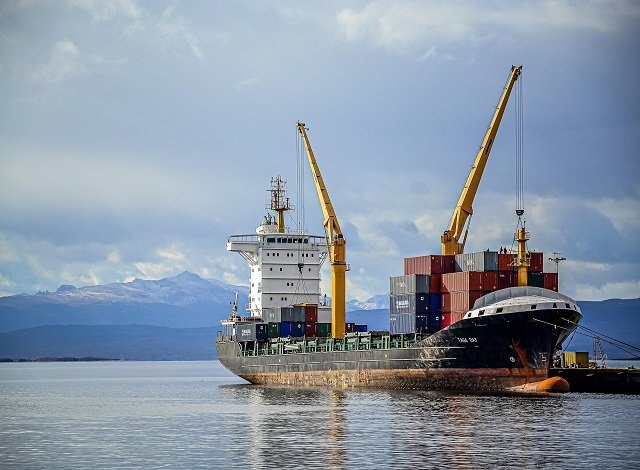
Have you ever handed over a package to a shipping company and wondered what happens next? Where does it go? Who handles it? How does it travel from one location to another? And how does it finally reach the person waiting to receive it?
Shipping a package involves more than simply placing it in a vehicle and driving it to its destination. Behind every delivery, there may be several stages, including collection, sorting, transportation, customs clearance, and final delivery.
Understanding these stages can help you know what to expect after sending a package, interpret shipment updates more confidently, and understand why some deliveries take longer than others.
Whether you are sending a gift to a loved one, important documents, personal belongings, or products to a customer, this guide explains the journey your package may take after you ship it.
1. Your Package Is Accepted by the Shipping Provider
The journey begins when you hand your package to a shipping provider or arrange for it to be collected, depending on the service available.
At this stage, the package may be checked to confirm that it meets the provider’s requirements. The sender may need to provide the recipient’s details, describe the contents, pay the shipping charges, and complete any necessary documentation.
A shipping label is usually attached to the package. This label contains important information used to identify and route the shipment, such as the destination address and a shipment reference or tracking number where applicable.
Once the package is accepted, you should keep your receipt and any shipment confirmation provided.
Why this stage matters: Accurate recipient information and correct shipment details help reduce the risk of routing problems, delays, and unsuccessful delivery attempts.
2. Your Shipment Receives Its First Scan
Many shipping providers record shipment events by scanning a barcode or recording the package in their systems.
A scan may confirm that the package has been accepted, collected, or received at a facility. The exact process depends on the provider and the service you choose.
If tracking is available, this information may appear as the first update in your shipment history.
However, tracking information does not always appear immediately. A package may need to reach a scanning point, or the system may take time to display a recorded event.
If your tracking page does not update straight away, it does not necessarily mean that your package has been lost.
Keep your shipment receipt and reference number so you can contact the provider if the initial update does not appear within the period it specifies.
3. Your Package Travels to a Sorting Facility
After acceptance, your package may be transported to a sorting center or distribution facility.
These facilities help shipping providers organize large numbers of shipments according to their destinations and the next stage of their journeys.
At a sorting facility, packages may be scanned, grouped, and directed toward the appropriate transportation route. Some shipments pass through several facilities, while others may travel more directly to their destinations.
Sorting is important because a shipping company may handle packages going to many different towns, cities, regions, and countries at the same time.
For example, a package sent from Buea to another country may need to travel through a local collection point and a larger distribution center before being sent onward for international transportation.
The actual route depends on the provider’s network and the destination.
4. Your Package Is Prepared for Transportation
Once sorted, the package is prepared for the next part of its journey.
Depending on the shipment, it may travel by road, air, sea, or a combination of transportation methods.
Domestic shipments may move between cities by road or through other available transport networks. International shipments may involve air freight, sea freight, or road transportation across borders.
Packages are grouped and loaded according to their destinations, schedules, handling requirements, and the shipping service selected.
Transportation time can vary considerably. A nearby destination may require a relatively short journey, while an international shipment may involve multiple connections and additional processing.
Weather conditions, transport schedules, public holidays, operational disruptions, and other circumstances can also affect progress.
This is one reason it is important to check the estimated delivery period before sending a package, especially if it is needed for a particular date.
5. International Packages May Go Through Customs Clearance
If your package crosses an international border, it may need to go through customs clearance.
Customs authorities are responsible for checking goods entering or leaving a country and ensuring that relevant laws, declarations, duties, and restrictions are followed.
Depending on the shipment and destination, the customs process may involve reviewing information about the contents, checking accompanying documents, assessing applicable duties or taxes, or inspecting the goods.
Some packages clear customs quickly, while others require additional information or examination.
Delays can occur when documents are incomplete, the declared contents are unclear, duties or taxes require attention, or authorities need to conduct further checks.
To help avoid unnecessary problems, senders should:
- Describe the contents accurately.
- Provide complete and truthful shipment information.
- Prepare the required customs documents.
- Check whether the item is permitted in the destination country.
- Understand that import duties or taxes may apply.
- Respond promptly if additional information is requested.
Customs requirements vary by country and shipment type. For international deliveries, consult the relevant official customs guidance or ask your shipping provider what documentation is required.
Important: Customs clearance is not always required for domestic shipments, and the process for international shipments depends on the countries involved.
6. Your Package Continues to the Destination Country or Region
After completing the required processing, the package continues toward its destination.
For an international shipment, this may involve departure from the country of origin, transportation to another country, arrival at an entry point, and transfer to a destination-country facility or delivery partner.
Some shipping providers operate their own transportation and delivery networks. Others work with partner companies to handle particular stages of the journey.
This means the company that accepts your package may not be the only organization involved in delivering it.
Your package may also pass through several transport hubs before reaching the city or region where the recipient lives.
Although this can make the journey seem complicated, each stage helps move shipments through the provider’s network.
7. The Package Arrives at a Local Distribution Center
As the package gets closer to its destination, it may arrive at a local distribution center or delivery depot.
At this stage, shipments are often organized according to their final delivery areas, routes, or assigned delivery teams.
The package may be scanned again, checked against delivery information, and prepared for its final journey.
If the shipment is being delivered to a home or business, the provider may assign it to a courier or delivery vehicle.
If the recipient needs to collect the package from a designated location, the provider may instead arrange for collection according to the service’s procedures.
A tracking update showing that a package has arrived at a local facility generally indicates progress, but it does not always mean the package will be delivered immediately.
The shipment may still need to be sorted, assigned to a route, or prepared for dispatch.
8. Your Package Goes Out for Delivery
One of the most exciting stages for recipients is when a package is marked as being out for delivery.
This generally means the shipment has been assigned to a delivery route or is with a courier for the final stage of its journey.
The courier follows the assigned route to deliver packages to homes, offices, businesses, or other approved destinations.
However, an out-for-delivery update is not an absolute guarantee that the package will arrive that day. Route changes, access problems, incorrect addresses, recipient availability, weather, or other unexpected circumstances can affect the outcome.
To help make delivery smoother, recipients should ensure that their address and contact details are correct and follow any delivery instructions provided by the shipping company.
If the recipient will not be available, they should check whether the provider offers alternative arrangements, such as rescheduling or collection.
9. The Recipient Receives the Package
The final stage is delivery to the recipient or completion of the provider’s approved delivery procedure.
Depending on the service, the courier may hand the package directly to the recipient, deliver it to an authorized person, leave it at an approved location, or request a signature or other confirmation.
Some providers record proof of delivery through a signature, delivery scan, photograph, or another method.
Once the delivery is completed and recorded, the tracking system may show a status such as “Delivered.”
If the package is marked as delivered but the recipient cannot find it, they should check the delivery details, ask authorized household members or reception staff where appropriate, and contact the shipping provider promptly to request an investigation.
Keep the tracking information and any delivery confirmation available when making an inquiry.
10. What Do Common Tracking Updates Mean?
Shipment tracking can help you understand the progress of your package. Although wording varies between providers, the following are common examples.
| Tracking status | What it generally means |
|---|---|
| Shipment received | The provider has recorded receipt of the package. |
| In transit | The package is moving through the shipping network. |
| Arrived at facility | The package has reached a sorting center, depot, or other processing location. |
| Departed facility | The package has left a facility for another stage of its journey. |
| Customs clearance | The shipment is undergoing customs processing, or a related customs event has been recorded. |
| Out for delivery | The package has been assigned to the final delivery stage. |
| Delivery attempted | A delivery attempt was recorded but was not completed. |
| Delivered | The provider has recorded the shipment as delivered. |
These descriptions are general guides. A status may have a more specific meaning depending on the provider, and not every shipment displays every event.
If a tracking update is unclear, check the shipping provider’s official tracking guidance or contact its customer support team.
11. Why Can a Package Take Longer Than Expected?
Even when a shipment is moving through the normal process, several factors can affect the delivery date.
Common reasons include:
Transportation delays: Bad weather, road conditions, missed connections, and other disruptions can slow movement between facilities.
Customs processing: International shipments may require additional checks, documents, or payment of applicable charges.
Incorrect address details: Missing house numbers, inaccurate postal codes, or incomplete contact information can make delivery more difficult.
High shipping volumes: Busy shopping seasons and public holidays can increase the number of packages being handled.
Operational issues: Sorting facilities, transport schedules, or delivery routes may experience unexpected disruptions.
Recipient unavailable: A courier may be unable to complete delivery if no authorized recipient is available or access cannot be arranged.
When a delay occurs, check the latest available tracking information and contact the shipping provider if the package is outside its expected delivery period or the status requires action.
Avoid assuming that a package is lost simply because an update has not appeared for a short period. Some stages of transportation may not generate frequent tracking events.
12. What Can You Do While Your Package Is in Transit?
After sending a package, there are several practical steps you can take to stay informed and prepare for delivery.
Keep Your Tracking Number Safe
Save your tracking number, shipment receipt, and confirmation message. You may need them to check progress or contact the provider.
Check Tracking Through the Correct Channel
If the provider offers online tracking, use its official website or designated tracking service. Enter the reference number carefully and follow any instructions provided.
Monitor Important Updates
Look for updates that indicate customs action is required, a delivery attempt has failed, or additional information is needed.
Keep Your Contact Details Available
If the shipping provider needs clarification, having access to your phone or email can help you respond promptly.
Make Sure the Recipient Is Prepared
For shipments being sent to another person, share the expected delivery information when appropriate. Let the recipient know if they may need to be available, provide identification under the provider’s rules, or arrange collection.
Contact the Provider When Necessary
If the shipment appears delayed, the tracking information is inconsistent, or an update requests action, contact the shipping provider using the official contact details. Provide the tracking number and explain the issue clearly.
13. How ZenaShipping Can Help You Think About the Shipping Journey
Understanding what happens after you send a package makes the entire process less confusing. It helps you recognize that shipping may involve several stages, different facilities, transportation partners, and, for international deliveries, customs procedures.
For individuals, this knowledge can make it easier to prepare shipments and understand delivery expectations. For online businesses, it can help improve communication with customers and reduce uncertainty after orders are dispatched.
At ZenaShipping, our goal is to make shipping information easier to understand and help people approach their delivery needs with greater confidence.
Before arranging a shipment, make sure your package is prepared properly, the recipient’s details are accurate, and you understand the available service options. If online tracking is provided for your shipment, use the designated tracking channel to check available updates.
Remember that the exact journey, tracking features, and delivery procedures depend on the shipping provider, service, origin, and destination.
Frequently Asked Questions
Can I see every location my package passes through?
Not always. Tracking systems display the shipment events recorded by the provider, but they may not show every stop, vehicle, or facility involved in the journey.
Why has my tracking information not changed?
A package may be travelling between facilities, waiting for its next scan, or experiencing a delay in tracking updates. If the status remains unchanged beyond the provider’s expected period, contact the provider for guidance.
Does “in transit” mean my package is moving right now?
Not necessarily. It generally means the shipment is progressing through the shipping network, but it may also be waiting for its next transport connection or processing stage.
How long does international shipping take?
Delivery time depends on the origin, destination, shipping service, transport arrangements, customs processing, and other circumstances. Check the provider’s estimate for your particular route instead of relying on a single delivery timeframe.
What should I do if my package is marked as delivered but I have not received it?
Check the available delivery details and ask authorized household members, reception staff, or other appropriate contacts whether they received it. Then contact the shipping provider promptly to report the issue and request an investigation.
Can I change the delivery address after shipping?
It depends on the provider, shipment status, destination, and service rules. Contact the shipping provider as soon as possible. Address changes may not always be possible and may involve additional charges.
Conclusion
Every package has a journey, and understanding that journey can help you ship with greater confidence.
From acceptance and sorting to transportation, customs clearance, local distribution, and final delivery, each stage plays a role in moving a shipment toward its destination. Tracking updates can provide useful information along the way, although the exact process varies by provider.
To help your package arrive smoothly, use accurate shipping details, prepare it carefully, keep your shipment reference, and follow any instructions from your shipping provider.
Whether you are sending a personal gift, important documents, or products to customers, knowing what happens after dispatch helps you make better shipping decisions and set realistic expectations.
ZenaShipping — Your Goods. Our Journey. Delivered.